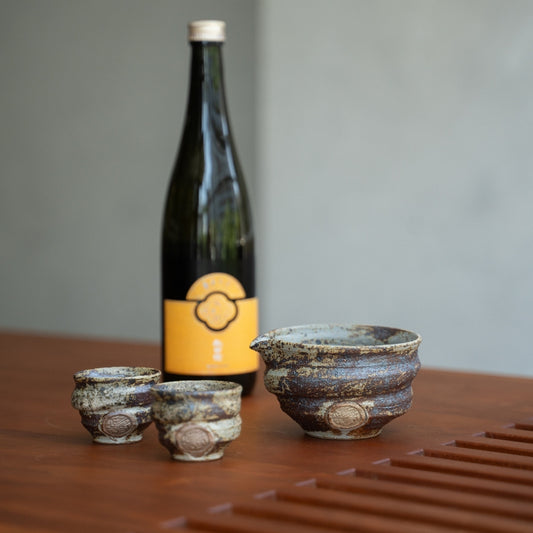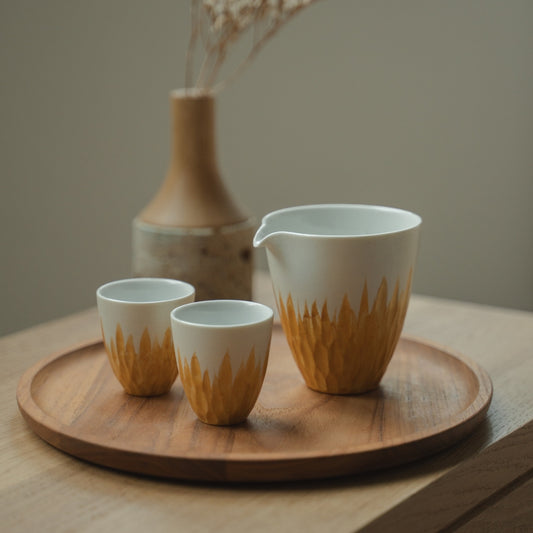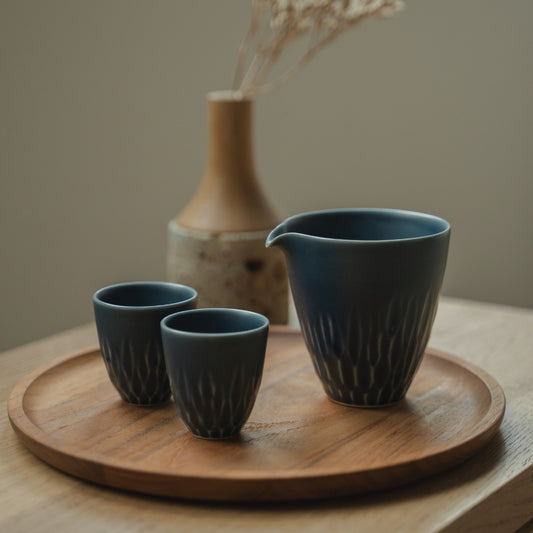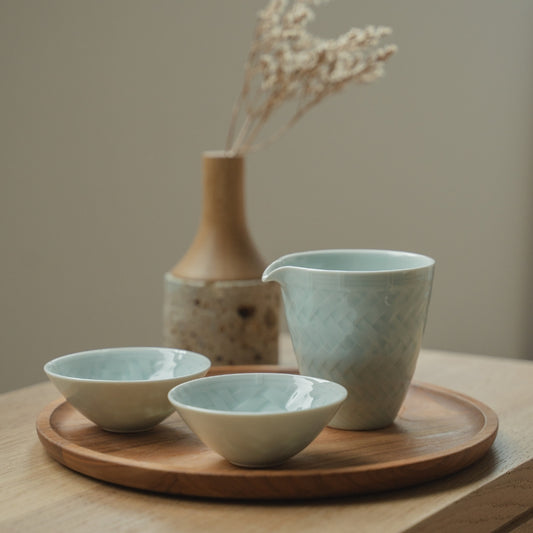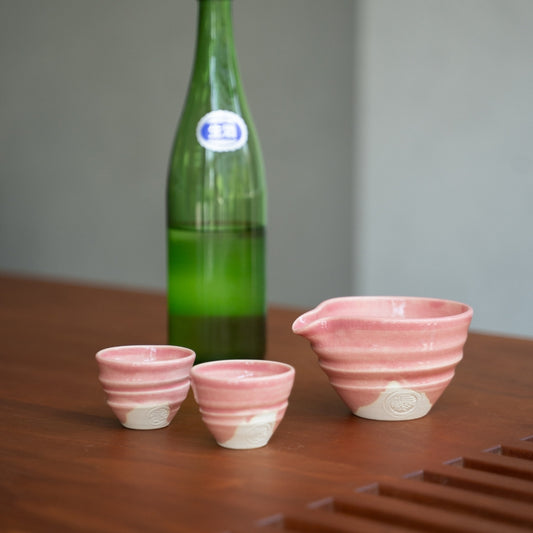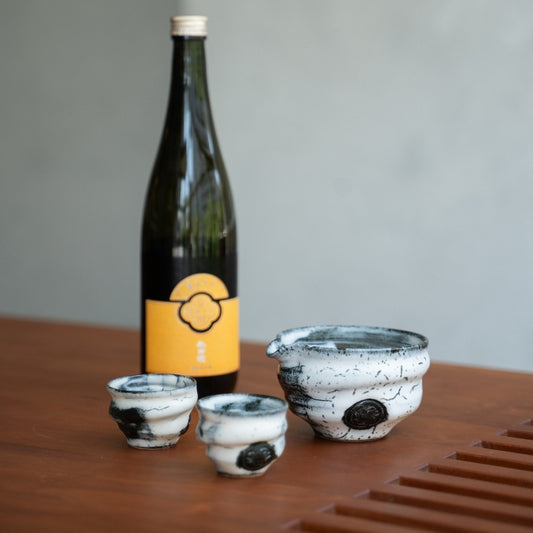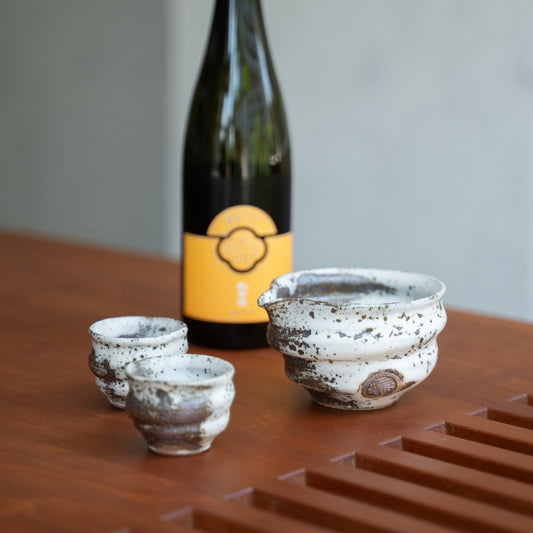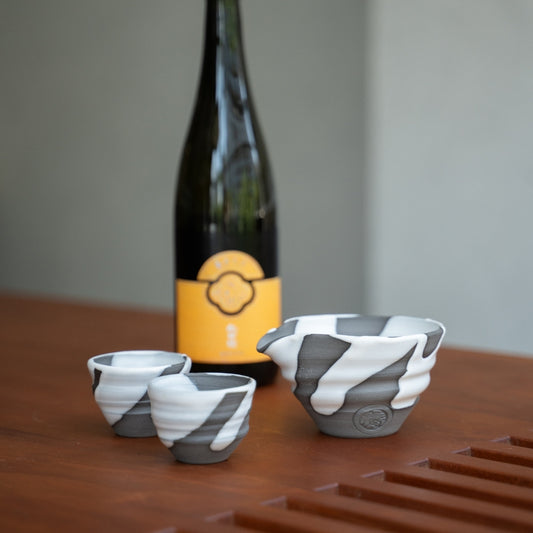
Collection: Japanese Sake Set

Recently Viewed Products

Japanese Sake Sets

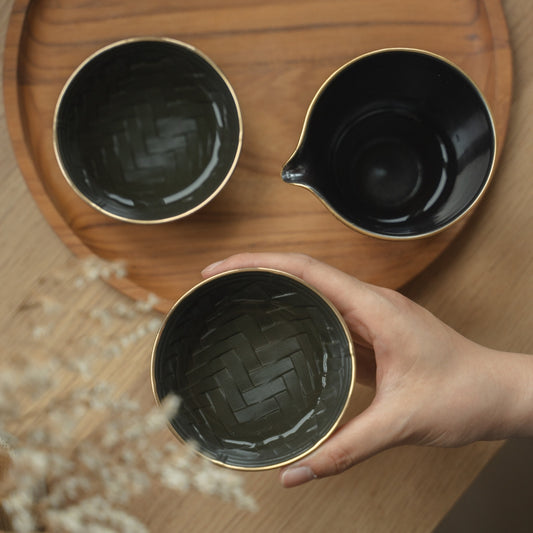
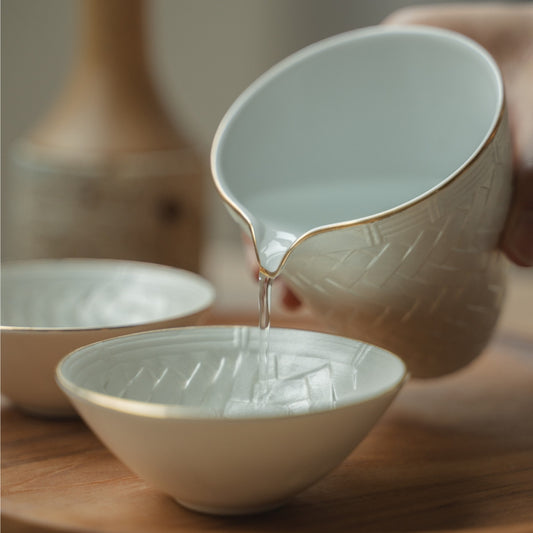
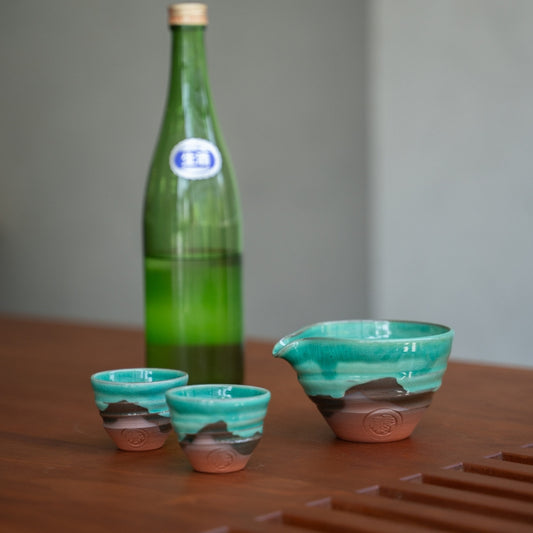
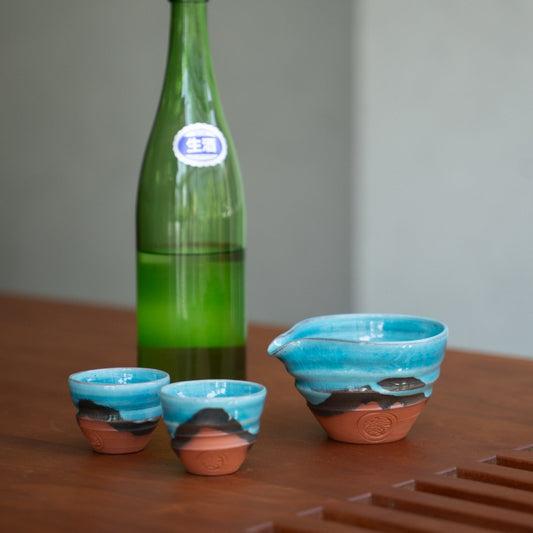
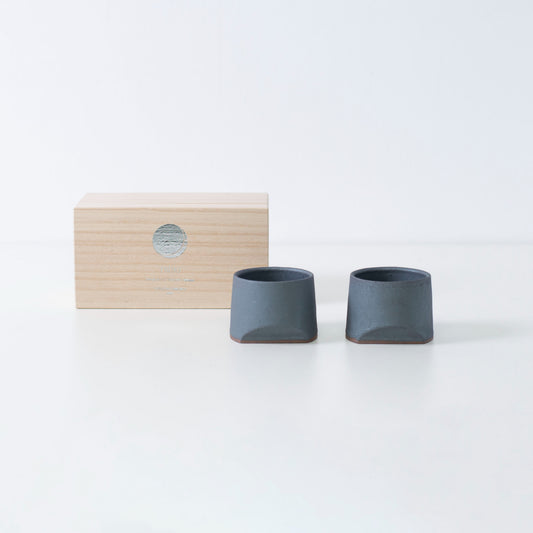
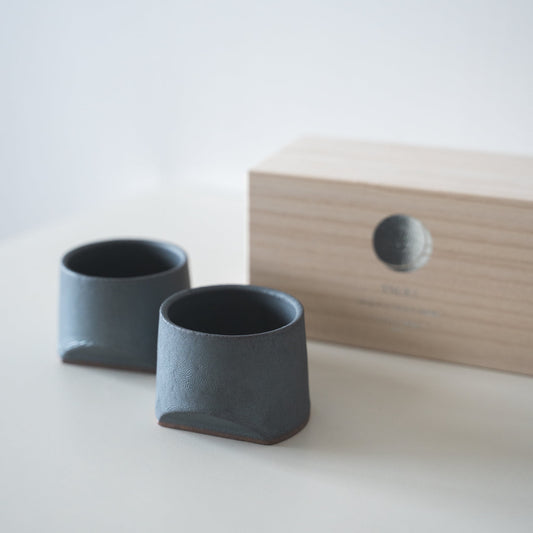
Sake, from ancient times, has been a special element at the heart of Japanese culture. Its flavor and aroma, as well as the sake vessels used when drinking it, carry profound meaning and aesthetic sensibility. Today, sake sets—be it a traditional sake cup set or a modern japanese sake set—hold a value that goes far beyond that of everyday tableware. For those who appreciate sake, admire Japanese vessels, or seek moments of respite in daily life, a sake set that fuses history and tradition, materiality and aesthetics, with a modern sensibility will leave a deep impression each time it is used. Not only does it enhance the genuine taste of sake, but it also adds an air of refined charm and warmth to your living space. In today’s hectic world, please enjoy Japanese sake vessels as the ideal partner for savoring a quiet moment of cultural dialogue alongside a sip of fine sake.

The Story Behind Sake Vessels

Sake and Its Vessels: A Historical Bond

Sake and its vessels share an inseparable relationship forged over a long history. From ancient times through the medieval period, sake was positioned as a sacred drink essential for rituals and celebrations. Over time, however, it spread among the common people, gradually strengthening its presence in everyday life. Initially, because sake had a lower alcohol content, large wooden cups were often used and cherished as vessels that evoked the abundant blessings of nature. As the alcohol content of sake increased over the centuries, and as demands for better preservation and ease of drinking grew, smaller and more delicate vessels made from ceramics, lacquer, and metals emerged. This evolution refined sake vessels and led them to develop into a wide array of styles tailored to the tastes and preferences of its drinkers.

Japanese Aesthetics in Sake Vessels

Japanese aesthetics cherish harmony with nature, the profound depth found in simplicity, and the patina that develops over time. Sake vessels are a crystallization of this aesthetic sensibility. Their shapes and decorations elegantly express seasonal moods, the transience of nature, and the emotions of the four seasons, offering new discoveries and inspiration with every use. Traditional materials such as washi paper, lacquer, and ceramics—honed over many years—exude not only visual beauty but also a tactile warmth and solidity. In this way, sake vessels transcend their role as mere utilitarian objects to become works of art that deeply impress both the viewer and the user.

Traditional Techniques Meet Modern Innovation

The creation of sake vessels involves traditional techniques passed down through generations. From the Edo period onward, techniques such as maki-e (sprinkled picture), raden (mother-of-pearl inlay), and taishu (piled vermilion) evolved, adding delicate decorations that further enhance their beauty and luxury. Potters, lacquer artisans, and metal craftsmen across various regions carefully complete each vessel using carefully selected materials and precise techniques. Today, these traditional techniques merge with the latest design philosophies to create innovative expressions that maintain the weight of time-honored traditions while matching contemporary lifestyles. This blend of tradition and innovation is what makes modern sake sets a beautiful harmony of the old and the new.

Materials and Aesthetics of Sake Vessels

Diverse Materials for Different Occasions

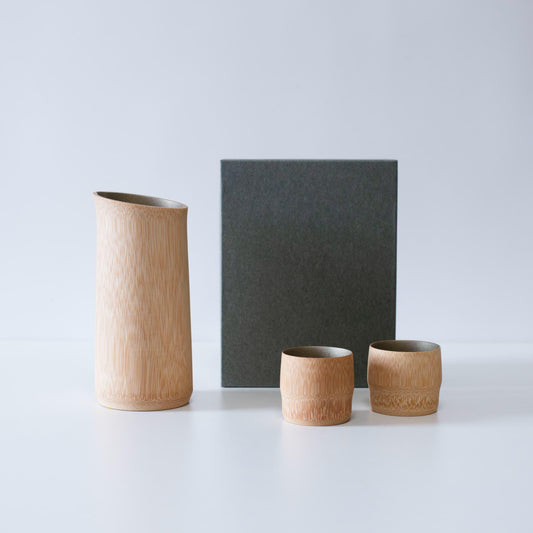
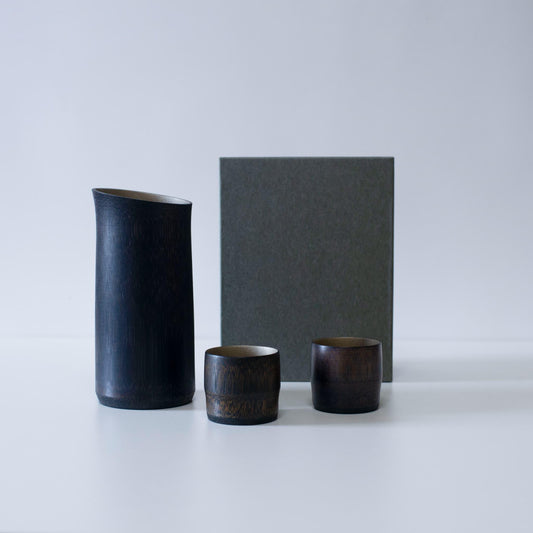
Sake vessels are made from a diverse range of materials including ceramics, lacquerware, metals, glass, and even bamboo or wood. Each of these materials possesses unique properties that suit different sake-drinking occasions.

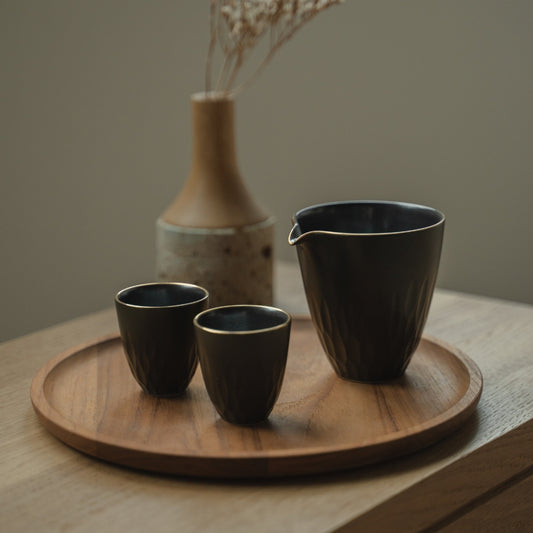
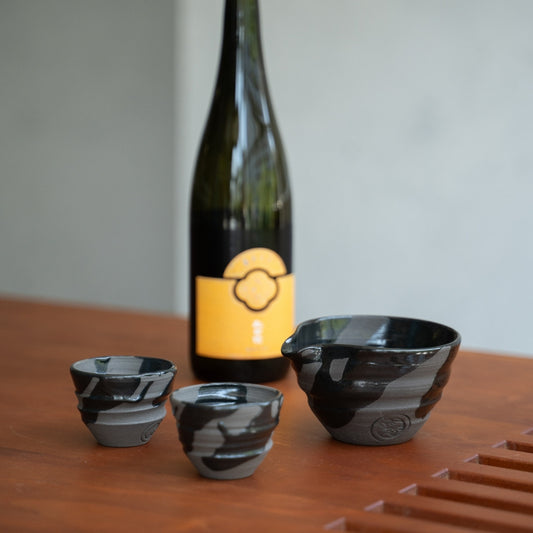
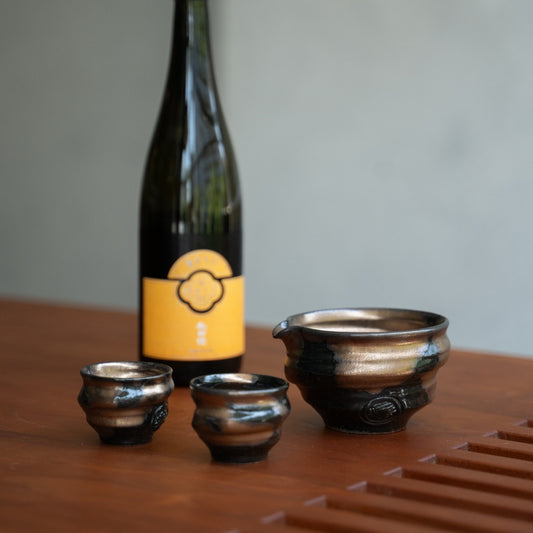
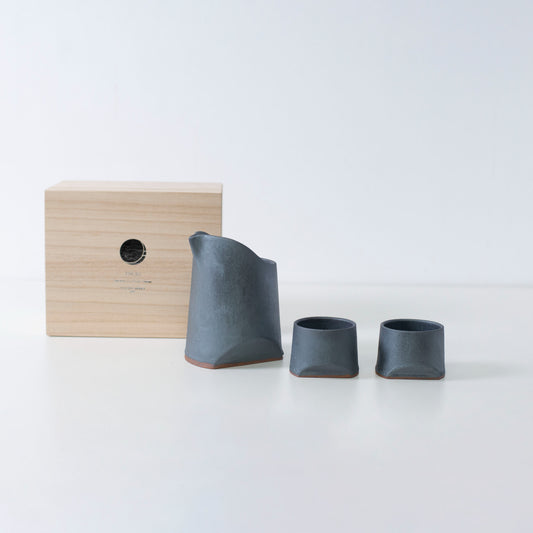
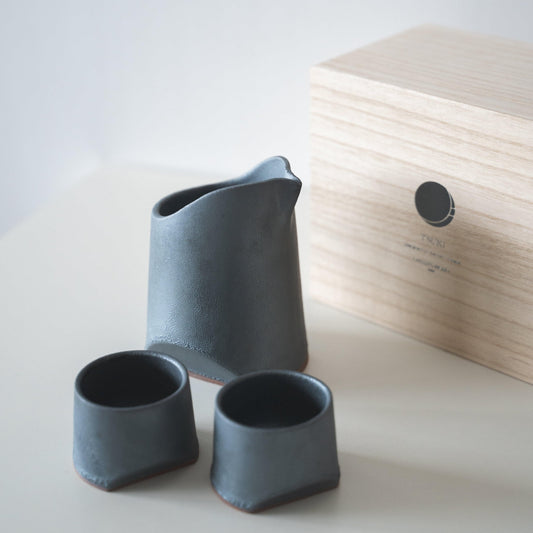
  • Ceramics: Ceramics are admired for their unique warmth, transparency, and luster that emerge during the firing process. The clean feel of porcelain and the subtle color variations created by glazes beautifully complement the hue of sake, making ceramic vessels prized for both warm and chilled sake.
  • Lacquerware: Lacquerware is distinguished by its glossy finish and deep, rich colors. Multiple layers of lacquer not only provide water resistance and durability but also create a distinctive sheen and warmth. Each lacquerware vessel conveys the traditional beauty of Japan with every touch, making it a popular choice for special sake-serving occasions.
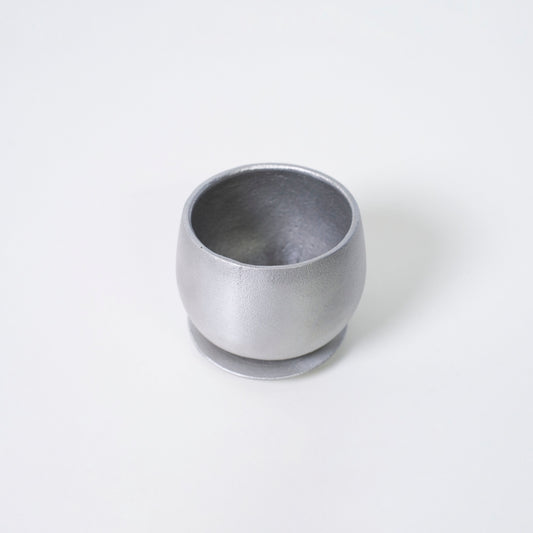
  • Metal: Metal sake vessels excel in thermal conductivity, effectively maintaining the temperature of the sake. Items made of copper, silver, and sometimes even adorned with gold leaf, enhance the depth of sake’s flavor and exude a sense of substantial presence.
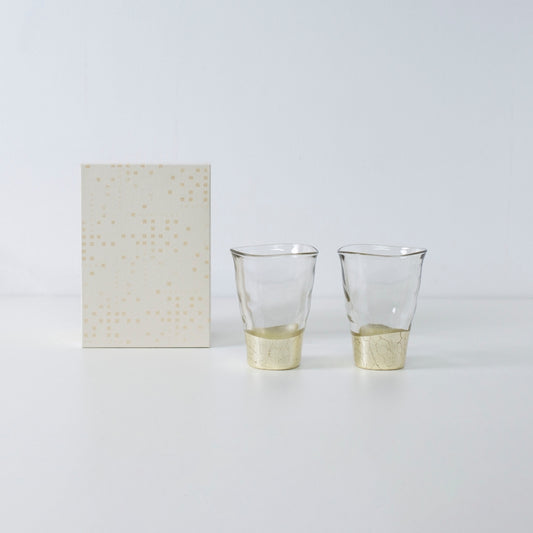
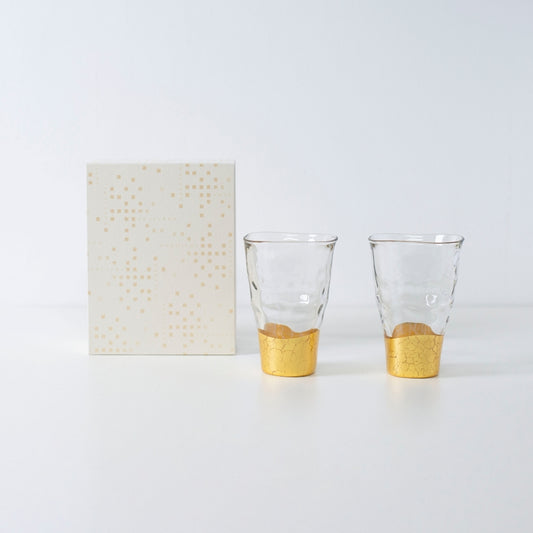
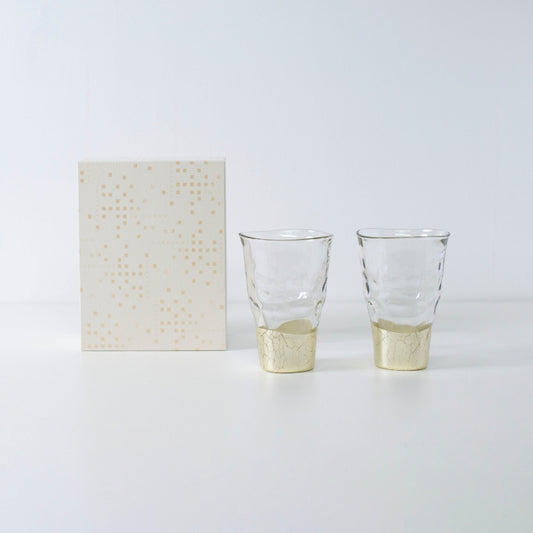
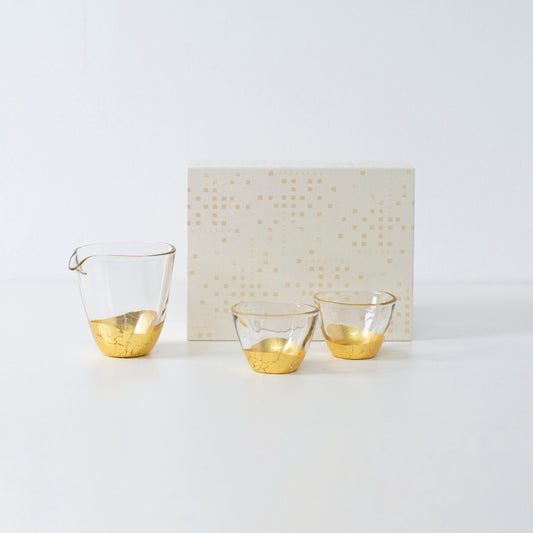
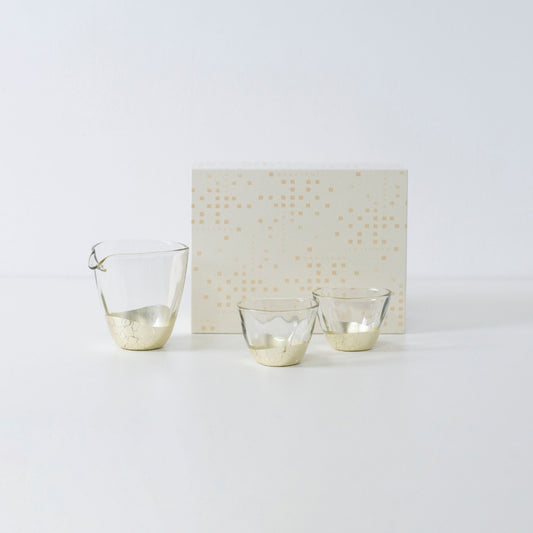
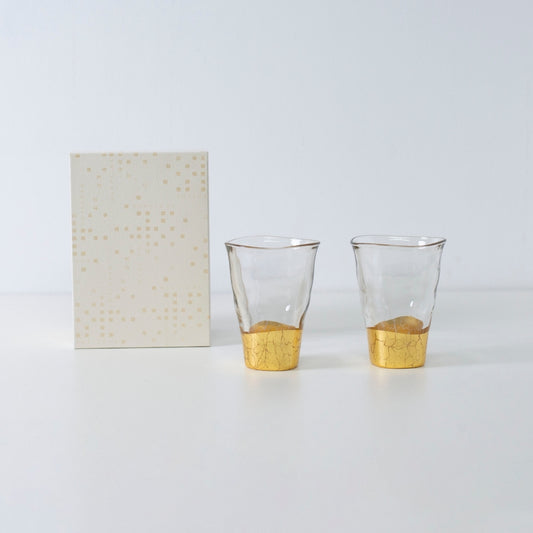
  • Glass: Glass sake vessels allow you to directly appreciate the color and transparency of the sake, which has made them popular in modern design. Particularly with chilled sake, the beautiful color and clear brilliance of glass vessels make them ideal for a contemporary sake experience.

Design Considerations

The design of sake vessels is a careful balancing act that maximizes the inherent properties of each material while fusing traditional aesthetics with modern simplicity.

  • Shape and Form: The shapes of these vessels are designed with considerations for ease of holding, pouring, and a pleasant mouthfeel. Smooth, rounded lines and curves that fit comfortably in the hand provide both a tactile and visual harmony.
  • Decoration and Details: Decorative techniques such as maki-e, raden, and hand-carved patterns imbue each vessel with its own story. These intricate details evoke a timeless artistry that elevates the vessels from mere utensils to everyday works of art.
  • Color and Finishing: Different materials allow for distinct expressions of color—from the purity of white porcelain and the deep hues of lacquerware to the shine of metals and the clarity of glass. In modern designs, these traditional elements are refined to produce a luxurious finish that complements any dining scene.

Varieties of Sake Vessels

There are a wide variety of sake vessels designed for different uses and drinking occasions. Some of the most representative types include:

  • Ochoko (Small Sake Cups): Ochoko are small cups designed for enjoying sake in small quantities. Their well-proportioned size, which fits comfortably in the mouth, has remained admired over time for both their beauty and functionality, making them highly appreciated as gifts.
  • Tokkuri (Sake Bottles): Tokkuri have been used since ancient times as vessels for pouring sake. Renowned for their excellent heat-retaining and cooling properties, traditional tokkuri made from ceramics or lacquerware not only delight with their appearance but also preserve the flavor of sake whether served chilled or warmed.
  • Sakazuki: Sakazuki, shallow and wide sake cups often used in ceremonies and celebrations, are designed to fully capture the aroma of sake. Sometimes also used as accompaniment cups, they are valued for their ceremonial as well as everyday usability.
  • Modern Adaptations: In addition to traditional vessels, modern designs using glass or metal have emerged. These pieces, with their simple yet refined lines and practical functionality, are designed to complement contemporary tableware and dining aesthetics. For example, glass vessels with a clear, modern appearance enhance the beautiful hues of chilled sake and create a stylish setting.

Practical Tips for Caring for Your Sake Vessels

How to Care for Your Sake Vessels

To keep your fine sake vessels beautiful and in use for a long time, proper care is essential. Detailed care guides, which outline the appropriate cleaning and storage methods for each material, are included with each vessel.

  • Ceramic Sake Cups: Avoid rapid temperature changes and it is recommended to wash by hand using warm water.
  • Lacquerware Sake Cups: To prevent damaging the lacquer surface, gently hand-wash with a detergent formulated for lacquerware and allow it to air dry naturally.
  • Metal Sake Cups: To prevent rust, ensure that the vessel is thoroughly dried after use and perform any necessary maintenance using products specifically designed for metal care.
  • Glass Sake Cups: Because glass is a hard material, wash with a gentle sponge and detergent to maintain its transparency.

Choosing the Right Sake Vessels

To enhance your sake time at home, here are some key points to consider when selecting the ideal sake vessels.

Differences in Material

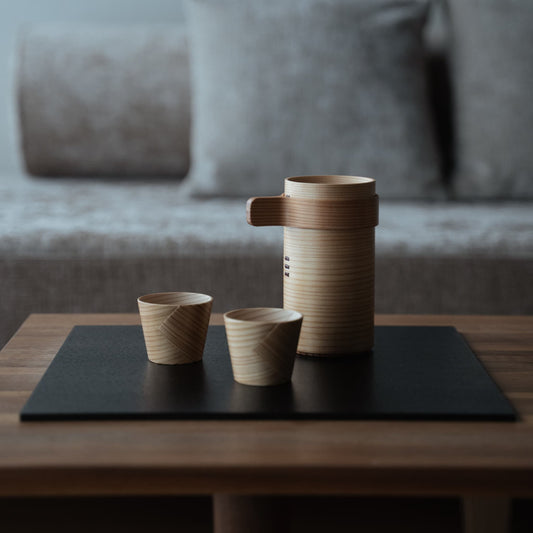
For warm sake, vessels made from ceramic or lacquer, known for their heat-retaining properties, are ideal. For chilled sake, glass or lightweight metal vessels that emphasize transparency are recommended. A sake set made from wood such as cedar can also impart its natural aroma to enhance the flavor of the sake.

Innovative Shapes

Wide-mouthed vessels allow the sake’s aroma to flourish, while narrow-mouthed vessels concentrate and enhance its delicate fragrance.
Set Composition for Specific Uses
We offer sets such as a traditional wooden tokkuri and ochoko pair, as well as glass sake sets that allow you to appreciate the beautiful color of the sake.

Gift Value

For a meaningful gift, selecting a piece that showcases unique craftsmanship and a fusion of tradition with modern innovation will leave a lasting impression and become a cherished memento.

Our sake set collection celebrates the artistry and tradition of Japanese sake culture. Every vessel is crafted by skilled artisans, reflecting Japan's aesthetic sensibilities and a commitment to quality and authenticity. Whether you’re a seasoned sake enthusiast or a newcomer, Millennium Gallery Japan’s sake vessels offer the perfect tools to enjoy this iconic Japanese beverage. Enhance your sake experience with our curated sake set collection.

FAQ

Q1: Can these Japanese sake sets be used for both warm sake (Atsukan) and chilled sake (Reishu), and how do the materials affect the drinking experience?

Yes, our curated selection of authentic Japanese sake sets is masterfully designed to enhance the specific flavor, aroma, and temperature of different sake profiles. For warm sake (Atsukan), ceramic stoneware, lacquerware, and wooden vessels are highly recommended; they offer excellent heat retention and organic warmth, gently deepening the sake's rich body and complexity. Conversely, for chilled sake (Reishu), translucent glass sets or lightweight metal vessels (such as copper or silver) are ideal. Their high thermal conductivity quickly chills the touch, maintaining a crisp coolness while visually highlighting the pure clarity and beautiful luster of premium sake on a contemporary dining table.

Q2: How durable are these Japanese sake vessels, and what is the proper way to clean and maintain a premium sake set?

Incorporating traditional techniques passed down for nearly a millennium, our premium sake sets are handcrafted as durable works of daily art. To preserve their refined luster and quality for years to come, we recommend hand-washing the vessels gently with lukewarm water while avoiding rapid temperature shocks. Lacquerware should be washed gently with a soft sponge and allowed to air dry naturally. Metal vessels should be dried thoroughly with a soft cloth immediately after use to protect against rust, and glass elements require a soft sponge to maintain their optimal transparency. To ensure long-term enjoyment as heirloom craft pieces, the use of automated dishwashers or harsh chemical detergents should be avoided.

Q3: What are the historical origins of Ochoko, Tokkuri, and Sakazuki, and how do their unique shapes influence the aroma of sake?

In early Japanese history, when sake had a lower alcohol content, larger wooden cups were used to casually celebrate nature's bounty. Over centuries, as brewing techniques advanced to produce higher alcohol content and the need for proper preservation grew, smaller, more delicate vessels emerged. Today, each traditional shape serves a distinct sensory purpose: the compact Ochoko (small cup) concentrates the subtle umami profile beautifully for every single sip. The Tokkuri (flask) features a narrow neck carefully proportioned for smooth pouring and temperature retention, while the wide, shallow rim of the ceremonial Sakazuki cup allows the rich aroma profile to unfurl entirely across the surface. Additionally, contemporary modern designs with narrower rims elegantly concentrate the most delicate, fruity bouquets of premium premium sake directly toward the center.

Q4: How are complex sake sets combining different materials—such as fragile porcelain, glass, or decorated lacquerware—safely secured for long-distance international shipping?

We treat every authentic Japanese sake set as a valuable piece of cultural heritage. We understand that shipping a combination of substantial ceramic or metal Tokkuri flasks alongside exceptionally delicate, thin-walled glass Ochoko cups and handcrafted lacquer trays requires high-level logistical care. Each component of the set is individually isolated and securely prepared in Japan using appropriate, high-quality cushioning materials engineered to neutralize global transit impacts. We proudly ship directly from Japan to over 30 countries worldwide, including the United States, Canada, Australia, the European Economic Area (EEA), the United Kingdom, Switzerland, Singapore, Hong Kong, and South Korea, backed by reliable door-to-door tracking and insurance coverage, ensuring your centerpiece arrives in pristine condition.

Q5: Are these traditional Japanese sake sets suitable as premium gifts for special occasions, and what presentation options are available?

Yes, gifting an authentic Japanese sake set carries profound meaning, offering the recipient a mindful ritual to switch from "on" to "off" and reclaim a moment of inner serenity at the end of the day. For this reason, our curated collections are highly favored for significant life milestones, including weddings, retirements, housewarmings, executive promotions, and distinguished corporate gifts. To ensure an elegant presentation from the moment of unboxing, many of our premium artisan sets are beautifully housed in refined packaging that reflects true cultural dignity. Furthermore, since these handcrafted materials gracefully evolve and gain character through years of daily use (Keinen-henka), they serve as an enduring symbol of deep bonds and mutual respect. Supported by our reliable international fulfillment network delivering directly from Japan, you can confidently send a sophisticated narrative of traditional heritage directly to your recipient.