Collection: Zafu Meditation Cushion

Recently Viewed Products

Zafu Meditation Cushion: Find Your Foundation for Zazen and Mindfulness

In a world filled with constant noise and distractions, the ancient practice of Zazen offers a path to inner stillness and clarity. Central to this profound form of Zen Buddhist meditation is the Zafu, a traditional, purpose-built meditation cushion. More than just a simple meditation pillow, the Zafu is an essential tool designed to support the body, align the spine, and enable the deep, stable breathing required for a focused and comfortable practice.

The philosophy of Zen, with its emphasis on stripping away the non-essential to discover core truths, has resonated globally, famously influencing figures like Apple co-founder Steve Jobs. The Zafu is the physical embodiment of this principle: a simple, beautiful, and highly functional object that serves a single, profound purpose—to provide a stable foundation for your meditation journey. Whether you are exploring Zazen Zen Buddhism, deepening a daily mindfulness routine, or simply seeking a way to improve your posture while sitting on the floor, the Zafu is your anchor.

At Millennium Gallery Japan, we offer authentic Zafu, crafted by artisans who understand the deep connection between form, function, and spiritual practice. Discover the best cushion for meditation and begin to cultivate a space of tranquility in your own home.

What is a Zafu? The Traditional Japanese Meditation Cushion

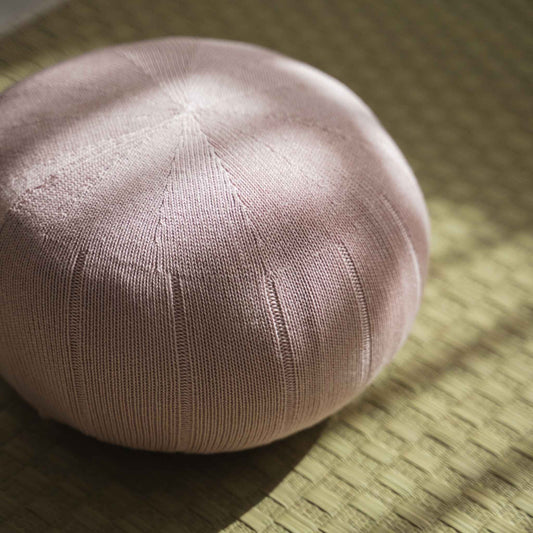
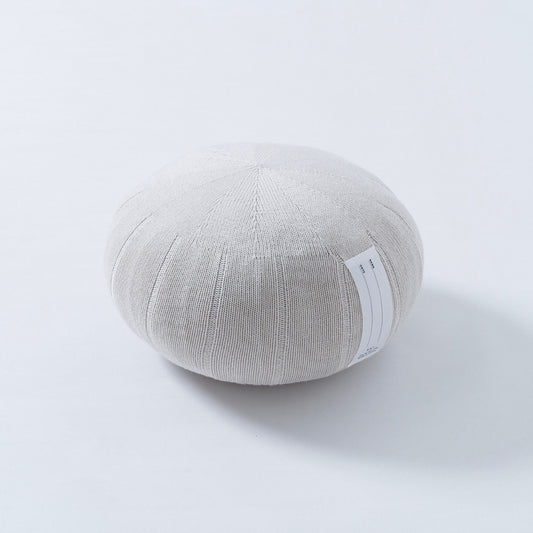
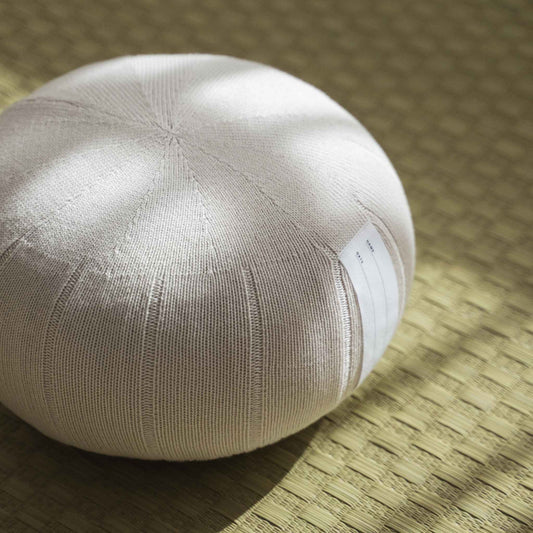
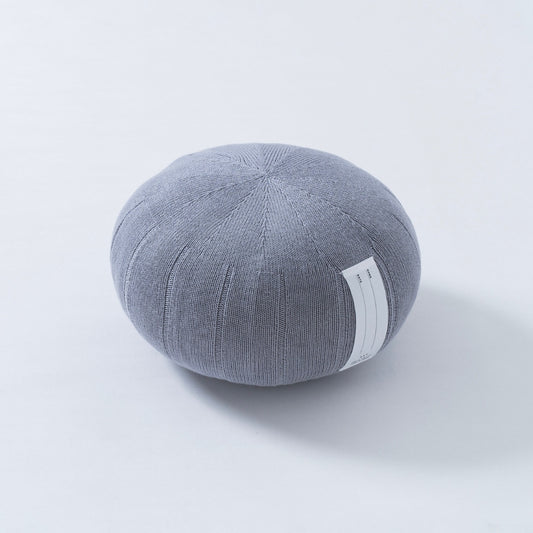
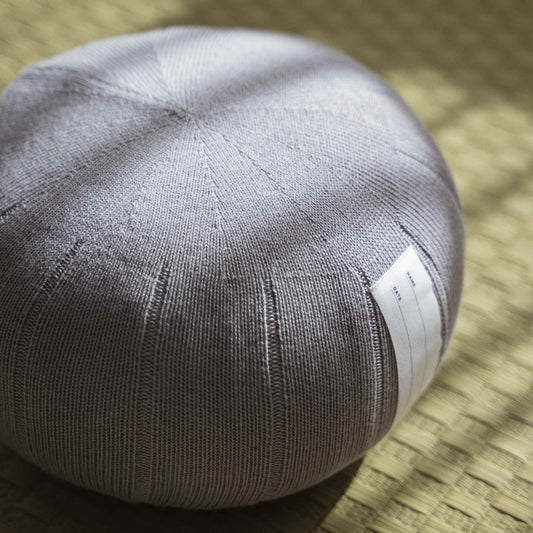
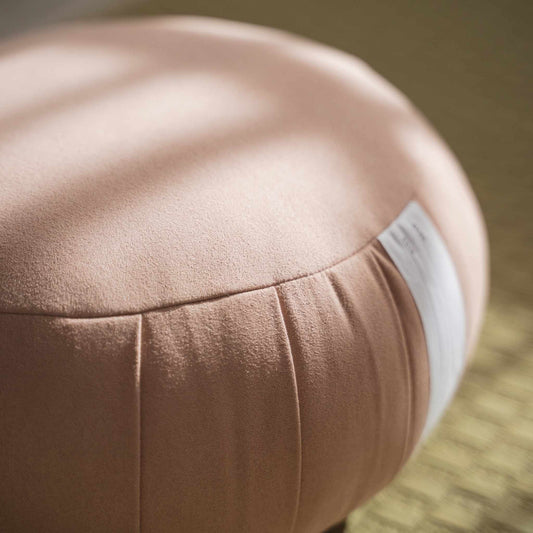
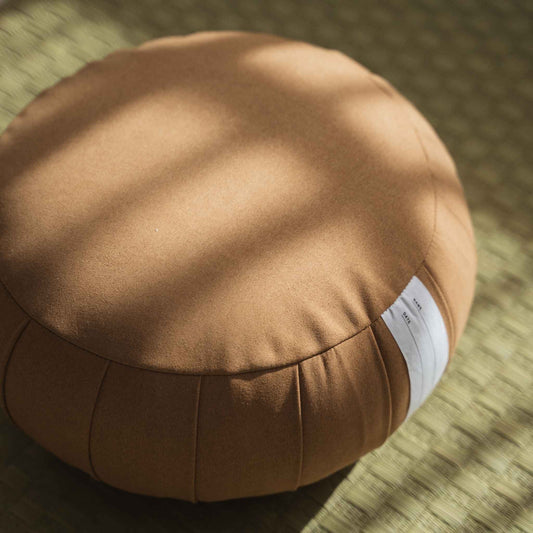
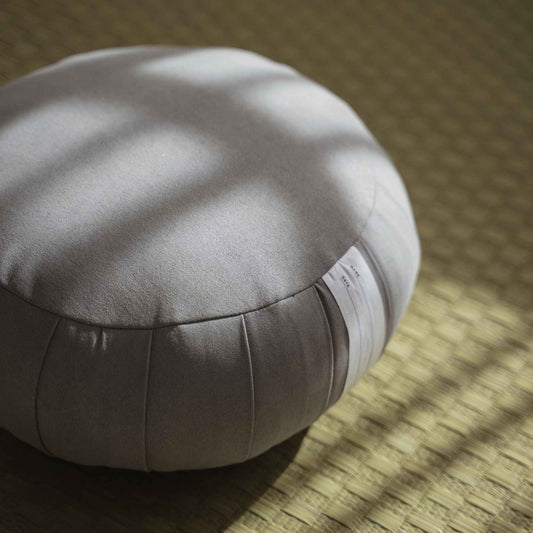
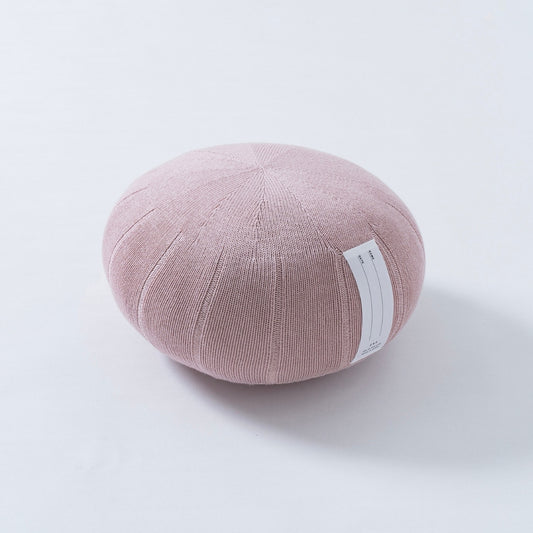
A Zafu (坐蒲 or 座蒲) is a round, firmly-stuffed cushion used for sitting meditation, most notably in the practice of Zazen. While it may resemble a common pillow, its specific design, height, and firmness are crucial for maintaining the correct posture for extended periods. It is often used in conjunction with a Zabuton (座布団), a larger, rectangular padded mat that is placed underneath the Zafu to provide cushioning for the knees and ankles. The Zafu elevates the hips, allowing the knees to rest comfortably on the Zabuton or floor, creating a stable, three-point base that supports the entire body.

A Brief History: From Woven Reeds to a Tool for Enlightenment

The origins of the Zafu are deeply rooted in the history of Zen Buddhism. The earliest known seating tool in Buddhism was the nishidan, a rectangular cloth. The term "Zafu" itself is believed to derive from the Chinese Zen tradition, where cushions woven from cattail reeds (gama in Japanese) were called fútuán (蒲団).

When the Sōtō Zen school was established in Japan in the 13th century by the master Dōgen Zenji, he strongly advocated for the use of a cushion to enhance physical stability during Zazen. He recognized that a stable body was the foundation for a stable mind. To distinguish this specific meditation tool from bedding (futon) or everyday sitting cushions (zabuton), the Sōtō school adopted the name Zafu (坐蒲), which translates to "sitting cattail."

Zafu in Zen Buddhism: A Tale of Two Schools

While Zazen is a core practice in Zen, different schools have developed distinct tools and methods.

  • Sōtō School (曹洞宗): In the Sōtō tradition, the cushion is the classic round, thick Zafu. This shape is designed to significantly elevate the hips, making it easier to tilt the pelvis forward and maintain the natural S-curve of the spine. It is the most common and versatile type of Zafu, ideal for practitioners of all levels.
  • Rinzai School (臨済宗): The Rinzai school traditionally uses a flatter, square cushion called a tampusan (単布団). To achieve the necessary height, this cushion is often folded or stacked on top of other cushions.

For beginners and most modern practitioners, the round Sōtō-style Zafu is overwhelmingly recommended for its superior ergonomic support and ease of use. It provides the necessary height in a single, stable cushion, making it far easier to find and maintain a balanced posture.

The Anatomy of a High-Quality Zafu

The effectiveness of a Zafu lies in its construction and materials.

Filling: The traditional and most prized filling for a Zafu is Kapok, a natural, silky fiber from the kapok tree. Kapok is lightweight, resilient, and resistant to compacting over time, providing firm yet comfortable support. It is also highly resistant to moisture. Other modern fillings include cotton, buckwheat hulls, or polyester, but Kapok remains the gold standard for its exceptional durability and supportive qualities.

Fabric: The outer fabric impacts both aesthetics and function.

  • Cotton: A popular and affordable choice, available in a wide range of colors. It offers a soft, natural feel.
  • Velvet: Often recommended for serious practitioners, velvet’s plush texture creates friction, which helps prevent slipping and keeps the posture stable throughout a session. While it may be slightly more expensive, its functional benefit in maintaining a secure seat is invaluable.

Zazen, Meditation, and the Zafu: A Path to Inner Stillness

To understand the importance of the Zafu, one must first understand the practice it is designed to support: Zazen.

What is Zazen? The Practice of "Just Sitting"

Many people ask, "What does Zazen mean?" and "What is Zazen?" At its core, Zazen (坐禅) is the foundational practice of Zen Buddhism. It is a form of seated meditation, but its philosophy sets it apart. The word itself breaks down into za (坐), meaning "to sit," and zen (禅), which refers to a state of meditative absorption.

The historical roots of Zen trace back to Bodhidharma, an Indian monk who brought a new form of Buddhism to China in the 5th century. Legend says he meditated facing a wall for nine years, a practice that emphasized direct experience over scriptural study. This tradition was brought to Japan in the Kamakura period, where it resonated with the disciplined ethos of the samurai class.

In the Sōtō school, the practice is often described as Shikantaza (只管打坐), which translates to "just sitting." This points to a crucial distinction: Zazen is not about achieving a specific goal, like enlightenment, relaxation, or bliss. The purpose of Zazen is simply to sit, fully present in the moment. Any benefits that arise—such as a calm mind or reduced stress—are seen as byproducts of the practice, not the goal itself. The act of sitting, with full awareness and correct posture, is considered the expression of one's inherent Buddha-nature.

Zazen vs. Mindfulness Meditation: Understanding the Difference

In recent years, "mindfulness meditation" has become a global phenomenon, largely derived from Buddhist practices. While the physical act of sitting may look similar, there is a fundamental difference in intent between Zazen and many forms of mindfulness.

  • Mindfulness Meditation is often goal-oriented. Practitioners might meditate to reduce stress, improve focus, increase productivity, or enhance overall well-being. It is a tool used to achieve a desired outcome.
  • Zazen, in its purest form, is objectiveless. It is not a means to an end; it is the end in itself. The aim is not to gain anything, but to let go of the striving mind and simply be present with what is.

Despite this philosophical difference, both practices are scientifically shown to offer profound benefits, including the regulation of the autonomic nervous system and the increased secretion of serotonin, the "happiness hormone."

The Essential Role of the Zafu in Zazen

The Zafu is not a luxury; it is a necessity for proper Zazen. Without it, maintaining the correct posture is extremely difficult. The Zafu performs a critical ergonomic function:

  1. It elevates the hips above the knees.
  2. It allows the pelvis to tilt forward, which naturally aligns the spine into its healthy S-curve.
  3. It creates a stable three-point base (the sit bones on the cushion and both knees on the floor/Zabuton).

This stable, aligned posture is the very foundation of Zazen. It minimizes physical strain, prevents pain in the back and knees, and opens up the diaphragm, allowing for deep, natural abdominal breathing. A stable body leads to a stable breath, which in turn leads to a stable mind.

Features and Benefits of a High-Quality Zafu

Investing in a well-made Zafu meditation cushion directly translates into a more profound and sustainable practice.

Physical Benefits: Align Your Body, Free Your Breath

  • Superior Posture Support: The Zafu properly aligns your pelvis and spine, preventing the slouching that leads to back pain and fatigue. This is the best cushion for meditation because it was designed specifically for this purpose.
  • Optimal Pressure Distribution: By creating a stable triangular base, the Zafu distributes your body weight evenly across your hips and knees, preventing numbness and discomfort in any single area.
  • Reduced Strain and Fatigue: A correctly supported posture requires less muscular effort to maintain. This allows you to sit for longer periods without physical distraction, focusing your energy on your meditation.
  • Deeper, More Natural Breathing: Proper spinal alignment opens the chest and abdomen, facilitating the deep, diaphragmatic breathing that is central to calming the nervous system and focusing the mind.

Mental and Spiritual Benefits: Cultivate Focus and Calm

  • Enhanced Concentration: When the body is stable and comfortable, the mind is less likely to be distracted by physical discomfort. This allows for deeper states of concentration and awareness.
  • Profound Relaxation: The physical stability and ease provided by a Zafu send a signal of safety and calm to the nervous system, making it easier to enter a state of deep relaxation.
  • A Foundation for Mindfulness: The Zafu is a dedicated tool for your practice. Simply placing it on the floor can act as a powerful ritual, signaling to your mind and body that it is time to turn inward.

Where to Use Your Zafu: From the Dojo to Your Daily Life

The Zafu's utility extends far beyond formal meditation Zazen. Its ergonomic benefits and simple beauty make it a versatile addition to any home.

For Traditional Practices: It is the essential tool for Zazen and other forms of seated meditation. It can also be used to support a kneeling posture (seiza) during tea ceremonies or other cultural practices.

In Modern Wellness Routines: Use your Zafu as a support block or bolster in your yoga practice to assist with certain poses (asanas) or to provide a comfortable seat for pranayama (breathing exercises).

Beyond the Meditation Mat:

  • Home Office: For those who work on the floor with a low desk, a Zafu provides excellent postural support, preventing the back pain associated with prolonged floor sitting.
  • Living Room Comfort: Use it as a stylish and comfortable floor cushion for reading, watching movies, or relaxing. It is far more supportive than a standard decorative pillow.
  • A Touch of Zen Decor: The simple, clean lines and natural materials of a Zafu make it a beautiful decorative element that complements minimalist, Japandi, and organic interior design styles.

How to Use Your Zafu for a Comfortable and Effective Practice

Sitting on a Zafu is simple, but a few key steps will ensure you find the most stable and comfortable posture.

Finding Your Seat: A Step-by-Step Guide

  1. Position Your Cushions: Place your Zabuton (if using one) on the floor. Place your Zafu in the center of the Zabuton.
  2. Take Your Seat: Sit on the front one-third to one-half of the Zafu, not in the center. This allows your hips to roll forward, which is key to aligning your spine.
  3. Cross Your Legs: Arrange your legs in a comfortable position. Full Lotus (Kekkafuza) is a very stable position where each foot rests on the opposite thigh, but it requires extreme flexibility. A less demanding alternative is the Half Lotus (Hankafuza), which involves placing one foot on the opposite thigh and tucking the other one underneath. The Burmese Style (Anrakuza) is the most accessible position and is recommended for beginners, as both feet simply rest flat on the floor in front of each other.
  4. Align Your Spine: Gently rock side-to-side and front-to-back to find your center of gravity. Imagine a string pulling the crown of your head up towards the ceiling. Tuck your chin in slightly and let your spine lengthen naturally. Your ears should be aligned over your shoulders.
  5. Position Your Hands: Rest your hands in your lap, palms up. Place your right hand on the bottom and your left hand on top, with the knuckles of each hand overlapping. Gently touch the tips of your thumbs together to form an oval. This hand position is called the Cosmic Mudra (Hokkai Jōin).

Pro-Tips for Beginners

  • Start with Comfort: Do not force yourself into a painful leg position. The Burmese style is perfectly acceptable and stable.
  • Start Small: Begin with short sessions of 5-10 minutes and gradually increase the time as your body adapts.
  • Use a Zabuton: A Zabuton is highly recommended to cushion your knees and ankles from the hard floor.
  • Choose the Right Size: Most adults will be comfortable with a standard Zafu diameter of about 12 inches (30cm).

Caring for Your Zafu

Your Zafu is a long-term companion for your practice. To maintain its shape and longevity, simply press in on the sides after each use to fluff it up and keep it round. Store it in a dry place where its shape will not be compressed.

Begin your journey within. A Zafu is more than a meditation cushion; it is an invitation to pause, to breathe, and to connect with the quiet center of your being. Explore our collection at Millennium Gallery Japan and find the perfect Zafu to support your practice for years to come.

FAQ

Q1: What are the dimensions of your authentic Zafu cushions, and do I need to use them with a larger mat to practice properly?

Our authentic Zafu features an ergonomic diameter of approximately 12 inches (30cm) and a specific thickness designed to properly elevate the hips above the knees. While pairing it with a floor mat or rug can add extra comfort for your knees and ankles on hard surfaces, our Zafu is fully capable of serving as a standalone meditation cushion. Used independently, a single Zafu provides the essential anatomical support required to tilt your pelvis correctly and maintain a stable, well-balanced posture, making it inherently suited for an effective and focused meditation practice on any standard carpeted or stabilized surface.

Q2: How durable are the filling and fabric of these Japanese meditation cushions, and what is the best way to maintain them?

Crafted for extensive practice over many years, our Zafu cushions offer exceptional structural durability. The interior is firmly stuffed with Kapok, a 100% natural, silky fiber from the kapok tree that is remarkably lightweight, moisture-resistant, and resilient against compacting over time—serving as an excellent standard for physical support. For the outer cover, we offer options featuring 93% organic cotton for a gentle touch, as well as a specialized non-slip pattern composed of 60% nylon and 40% polyurethane. This non-slip configuration is highly recommended for dedicated practitioners, as its textured surface creates reliable friction against clothing, effectively minimizing slipping and helping to keep your posture secure during relaxation. For routine maintenance, simply press inward firmly on the sides after use to fluff up the fibers, restore its round silhouette, and store it in a dry space.

Q3: How does the Zafu cushion physically optimize my posture, and what are its health benefits?

The Zafu performs a helpful anatomical function: by elevating your hips, it allows your pelvis to tilt forward naturally, which gently aligns your spine into its healthy, natural S-curve and helps prevent slouching or back fatigue. This aligned, open posture naturally expands the chest and diaphragm, facilitating deep, uninhibited abdominal breathing. Mindful, deep respiration helps regulate the autonomic nervous system, eases daily stress levels, and naturally supports the brain in maintaining a positive, balanced mood. Regardless of your preferred sitting style—whether cross-legged or in an accessible kneeling position—the Zafu establishes a reliable physical foundation to enter a state of calm focus and profound inner stillness.

Q4: Given that Zafu cushions are firmly stuffed with natural fibers, how are they protected and packed for international shipping from Japan without losing their shape?

We treat our authentic, artisan-crafted Zafu cushions as highly calibrated instruments for spiritual and physical wellness. To ensure they arrive at your home in pristine condition, each cushion is individually wrapped in a clean, moisture-barrier protective casing and securely boxed in Japan using reinforced packaging with appropriate cushioning materials engineered to neutralize transit impacts. This ensures the resilient Kapok filling is never flattened or exposed to unexpected humidity during its long-distance journey. We proudly ship directly from Japan to over 30 countries worldwide, including the United States, Canada, Australia, the European Economic Area (EEA), the United Kingdom, Switzerland, Singapore, Hong Kong, and South Korea, backed by reliable door-to-door tracking and insurance coverage, guaranteeing your cushion arrives plump, round, and ready for use.

Q5: How do these traditional meditation cushions harmonize with a modern minimalist or Japandi-style living space?

Our Zafu cushions are deeply rooted in the philosophy of stripping away the non-essential to uncover core clarity, making them a magnificent physical embodiment of minimalist mindfulness. Featuring clean, understated silhouettes and refined natural textures, these cushions do not disturb your existing decor; instead, they beautifully elevate globally trending interior styles such as Japandi (the seamless fusion of Japanese minimalism and Scandinavian hygge), Organic Modern, and Zen minimalism. Whether placed in a corner of a contemporary home office, used with low-profile furniture, or arranged in a dedicated relaxation space, our Zafu serves as a sophisticated floor accent that adds textural depth while providing a subtle, daily visual invitation to pause, breathe, and center yourself.